The Connection Between Materialism, Individualism, and Environmental Deterioration
Written by: Gianna Hector
Edited by: Ailin Bogers
In recent decades, researchers have grown increasingly conscious of the social and cultural aspects of environmental issues, beyond the technical and scientific aspects. Our attitudes toward success, happiness, and identity significantly impact how we use resources and spend money. Materialism and individualism are the two most prominent cultural values. Together, they influence social expectations, economic status, and lifestyles in a way that can place a considerable burden on the environment. Understanding how these principles contribute to environmental degradation is essential for imagining a more sustainable future.
FRITS AHLEFELDT
Materialism and Consumption
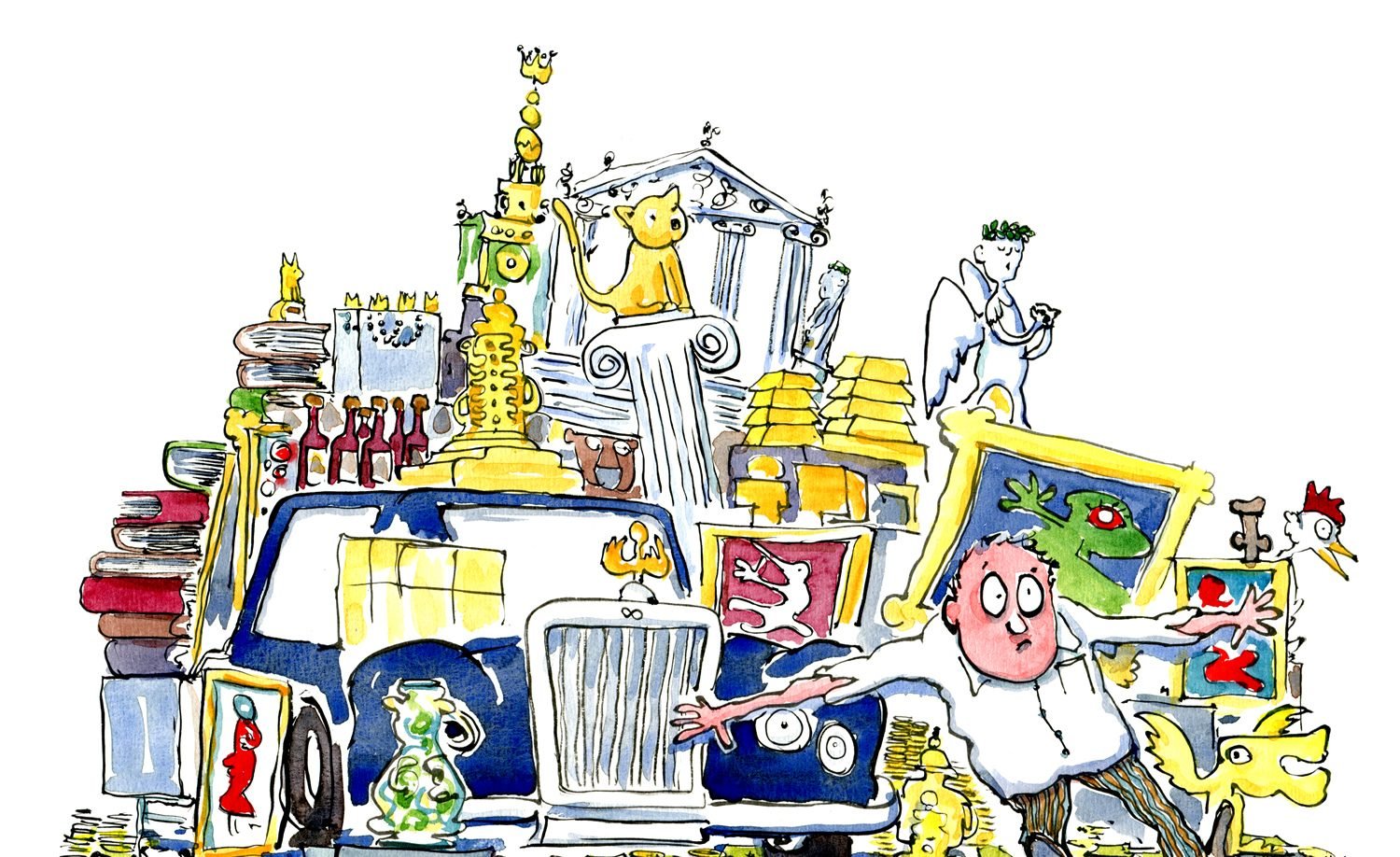
Materialism is the value that people place on buying and possessing things. In very materialistic societies, material possessions and outward displays of one's lifestyle are commonly regarded as indicators of happiness and success. These values encourage excessive consumption, which increases demand for water, energy, land, and minerals for manufactured products. According to Kasser (2002), those who prioritise material goals are more likely to indulge in consumption and have less concern for the environment.
At every stage of a product's life cycle, materialism has environmental consequences. For example, the extraction of raw materials such as wood, fossil fuels, and metals often results in deforestation, pollution, and habitat destruction. Secondly, the production and delivery of these products require energy and therefore emit greenhouse gases into the atmosphere. Finally, when products reach the end of their useful life, waste materials such as plastics, electronic waste, and chemicals accumulate. Materialistic behaviour patterns are therefore inextricably linked to the "take-make-dispose" model of industrial production.
According to studies, consumption patterns in communities tend to increase as people's basic needs are met and as communities grow richer. According to Jackson (2009), modern economies need sustained growth in consumption to remain stable, suggesting that materialism is deeply ingrained in both individual behaviour and economic systems. Advertisements perpetuate this trend by suggesting that buying more will make people happier, more beautiful, or more successful. These signals make it more difficult for individuals to reduce consumption by strengthening the relationship between identity and material possessions, even when they want to be more environmentally conscious.
Individualism and Its Consequences for the Environment

Designed by Freepik
The concept of individualism places a higher value on individual accomplishment, self-expression, and personal freedom over collective goals and obligations. Whilst individualism can benefit creativity and protect human rights, it may also contribute to environmental degradation by diminishing people's inclination to consider the common good.
Decisions about energy consumption, transportation, food, and housing are often framed in individualistic communities as a matter of personal taste rather than a shared obligation. People could be less willing to accept lifestyle changes that are beneficial to the environment but restrict individual freedom. According to research by Uzzell and Rathzel (2009), people in highly individualistic communities are less likely to back robust environmental legislation or participate in group environmental initiatives.
Individualism can also influence how people perceive environmental issues. If people believe that climate change or biodiversity loss is caused by "others" or distant governments, they may feel less responsibility for changing their own actions. This mindset has the potential to erode the social solidarity needed for long-term solutions.
How do Materialism and Individualism Support One Another?
Although materialism and individualism are distinct concepts, they often reinforce each other. Material wealth is a typical measure of success in individualistic cultures, where there is a strong emphasis on individual achievement. People are encouraged to compete for wealth and status, which drives greater consumption. According to Bauman (2007), the notion of "consumers first and citizens second" in modern consumer cultures implies that individual desires take precedence over environmental or social duties.
Both values also encourage short-term thinking. While materialism tempts people to pursue immediate pleasure by buying new things, individualism places a greater emphasis on individual goals than on the long-term well-being of the community. This combination makes it difficult to prioritise environmental protection since it demands cooperation, self-control, and foresight.
Furthermore, these ideals have had significant outcomes for how we live, from owning multiple cars to living in big homes, regularly buying new electronic devices, and travelling long distances. These lifestyles, which are viewed as indicators of success worldwide, contribute to global environmental issues.

Koldunov | Shutterstock
Degradation of the Environment as a Cultural Consequence
Environmental deterioration manifests itself through deforestation, pollution, climate change, species extinction, and water scarcity. These issues extend beyond scientific causes to the cultural norm. They represent the decisions made by the group concerning societal values and the organisation of economic activity.
Materialism's contribution to degradation leads to overconsumption and waste, while individualism undermines the collective effort needed to address these problems. They constitute a cycle in which environmental destruction continues because it is inextricably linked to how communities define progress.
For example, urban sprawl, which is common in individualistic societies, increases land usage and automobile dependence, leading to greater emissions. Greater consumption leads to greater production, which pollutes the environment and water resources. In the meantime, implementing policies such as carbon taxes, resource usage restrictions, or tougher waste management laws has been challenging due to opposition over individual interests.
Working Towards More Sustainable Values
In order to overcome these behaviours, it is not necessary to sacrifice individual freedom or all pleasures. Rather, it requires promoting new cultural conventions that emphasise sufficiency, community, and long-term well-being. People are encouraged to prioritize their quality of life over the amount of things they own through methods such as community-based sustainability, circular economy design, and degrowth.
Education can teach people about the effects of their choices on the environment, and policy can support sustainable lifestyles by making them more affordable and accessible. Most importantly, collective action through social movements, local initiatives, and governmental cooperation may create cultural environments in which sustainability is a shared value rather than just a personal decision.
Environmental degradation cannot be fully addressed when materialism and individualism continue to promote lifestyles that are outside ecological limits and erode group responsibility. In the end, resolving environmental issues necessitates cultural shifts that redefine what it means to live well, in addition to technological solutions.
References:
Bauman, Z. (2007) Consuming Life. Cambridge: Polity Press.
Ellen MacArthur Foundation (2021) What is a circular economy? Available at: [https://ellenmacarthurfoundation.org/circular-economy](https://ellenmacarthurfoundation.org/circular-economy)
Global Footprint Network (2023) Ecological Footprint Explorer. Available at: [https://data.footprintnetwork.org](https://data.footprintnetwork.org)
Intergovernmental Panel on Climate Change (IPCC) (2023) Climate Change 2023: Synthesis Report. Available at: [https://www.ipcc.ch/report/sixth-assessment-report-cycle/](https://www.ipcc.ch/report/sixth-assessment-report-cycle/)
Jackson, T. (2009) Prosperity Without Growth: Economics for a Finite Planet. London: Earthscan.
Kasser, T. (2002) The High Price of Materialism Cambridge, MA: MIT Press.
Nash, N., Whitmarsh, L. and Capstick, S. (2019) ‘Individualism, consumerism and climate change’, Current Opinion in Psychology, 32, pp. 1–5. Available at: [https://doi.org/10.1016/j.copsyc.2019.06.001](https://doi.org/10.1016/j.copsyc.2019.06.001)
OECD (2020) Consumer Behaviour and Environmental Sustainability. Available at: [https://www.oecd.org/environment/consumer-behaviour-and-environmental-policy.htm](https://www.oecd.org/environment/consumer-behaviour-and-environmental-policy.htm)
Richins, M. L. (2017) ‘Materialism pathways: The processes that create and perpetuate materialism’, Journal of Consumer Psychology, 27(4), pp. 480–499. Available at: [https://doi.org/10.1002/jcpy.1038](https://doi.org/10.1002/jcpy.1038)
United Nations Environment Programme (UNEP) (2022) Sustainability and Lifestyles: Redefining Consumer Choices. Available at: [https://www.unep.org/sustainable-lifestyles](https://www.unep.org/sustainable-lifestyles)
Uzzell, D. and Räthzel, N. (2009) ‘Transforming environmental psychology’, Journal of Environmental Psychology, 29(3), pp. 340–350.
World Wildlife Fund (WWF) (2022) Living Planet Report 2022. Available at: [https://www.wwf.org/lpr](https://www.wwf.org/lpr)